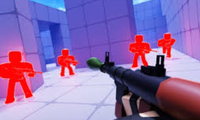

Roblox Rivals Best Ways to Train Reaction Time
-
Reaction time is one of the most crucial skills in Roblox Rivals, especially if you want to outplay your opponents in fast-paced matches. Whether you’re dodging attacks, catching power-ups, or responding to sudden ambushes, sharpening your reflexes can give you a noticeable edge. In this guide, I’ll share some practical ways to train your reaction time effectively, along with a few personal tips from my own experience.
Start with Basic Drills
The first step to improving reaction time is building a strong foundation. Simple drills can help you get used to recognizing cues and reacting quickly. One approach I like is setting up a private match and practicing block-and-dodge maneuvers. Focus on anticipating enemy movements rather than just reacting blindly. Over time, your brain starts to predict patterns, which makes your responses faster and more accurate.
Another method is using fast-paced mini-games within Roblox that require quick reactions. Even 10–15 minutes of targeted practice per day can noticeably improve your reflexes. Don’t worry if it feels repetitive at first—consistency matters more than intensity in this case.
Utilize Gear and Items Smartly
While practicing is essential, having the right in-game items can also influence your reaction performance. Certain tools and skins in Rivals provide subtle advantages, such as clearer visual cues or better movement feedback. If you’re looking to expand your collection, platforms like U4GM allow players to buy Rivals items safely, which can help you test different setups without wasting hours grinding. Personally, I find that trying out new items keeps training fresh and makes practice sessions feel less like a chore.
Challenge Yourself with Timed Exercises
Timed exercises are another excellent way to improve. For example, set up matches where your goal is to react to an opponent’s move within a limited window. You can also create “reaction courses” by dropping objects that you must dodge or catch quickly. Tracking your improvement over time is key—seeing measurable progress keeps motivation high.
I also like adding small variations, such as changing the map or the number of opponents. These tweaks prevent your brain from becoming too comfortable and force you to adapt, which ultimately sharpens your reflexes in real match scenarios.
Leverage Skins and Visual Feedback
Interestingly, what you wear in-game can affect your perception and reaction. Some skins make it easier to spot enemies or environmental cues, while others may add unnecessary visual clutter. Keeping an eye out for deals on new skins can be both fun and beneficial. For example, checking for a discount Rivals Skin Cases price from time to time lets you try new looks without spending too much. I’ve noticed that switching skins occasionally also keeps my brain alert—suddenly, the game feels a bit fresher, and my reaction speed slightly improves as I adjust to the new visuals.
Stay Physically Ready
Improving reaction time isn’t just about what happens on screen. Your body plays a role too. Adequate sleep, hydration, and short breaks during gaming sessions all contribute to faster responses. I make it a habit to stretch or walk around after every couple of matches. Surprisingly, this simple routine keeps me sharper and less prone to laggy reactions during longer sessions.
Practice with Friends
Finally, nothing beats real match practice. Playing with friends or joining small competitions allows you to test your reflexes in unpredictable situations. Friendly matches give you immediate feedback—you can see what works, what doesn’t, and adjust quickly. Plus, it’s way more fun than solo training.
Sometimes, I also trade items with friends or try new combos together. This gives me a chance to experiment with different strategies without worrying about rankings. For those who are serious about progressing, it’s a natural way to combine skill practice with social gaming.