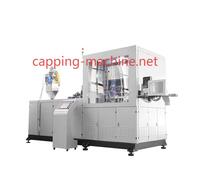

Rotary Cap Compression Moulding Machine in Eco Packaging
-
Posted by sean zhang - Filed in Other - #Rotary Cap Compression Moulding Machine #Capping-machine #energy saving #industrial efficiency #packaging automation - 32 views
In a rapidly evolving manufacturing landscape, producers are increasingly drawn to technologies that combine speed, quality, and adaptability. Among them, the Rotary Cap Compression Moulding Machine has gained widespread attention as companies prioritize efficient cap production with minimal material waste and consistent output. In sectors where precision and visual appeal of caps matter, rotary compression systems offer distinct advantages.
The growing demand for customized packaging has influenced how closures are produced. Modern rotary moulding machines are capable of crafting detailed cap structures, including smooth finishes, embossed logos, and tamper-proof designs—all without sacrificing production efficiency. This level of customization is critical in industries like cosmetics, health, and beverages, where packaging plays a vital role in consumer experience and brand perception.
At the core of rotary compression’s appeal is its ability to maintain a steady molding temperature across multiple cavities. This thermal balance ensures that every cap produced meets identical dimensional and structural standards. Unlike traditional injection methods, where pressure inconsistencies can lead to variation, rotary systems focus on uniform material flow. For manufacturers, this means fewer rejections, faster batch completion, and tighter control over raw material use.
Integrating intelligent interfaces into the Rotary Cap Compression Moulding Machine also supports remote monitoring, predictive maintenance, and user-friendly operation. For factory teams, this translates to fewer technical interruptions and a smoother training curve for new personnel. In applications where production cycles run continuously, such control systems minimize operational downtime and improve long-term output reliability.
From an energy perspective, rotary compression stands out due to its efficient use of thermal and mechanical resources. The process uses less heat and pressure compared to conventional molding systems, reducing strain on components and lowering overall electricity consumption. As industries move toward green goals and carbon footprint reduction, machinery with lower energy profiles is not only attractive but essential.
Consumer-facing products today must meet expectations for both design and sustainability. Lightweight, easy-to-open caps that maintain freshness and safety are becoming the standard. Rotary compression technology allows producers to meet these requirements without increasing production complexity. The ability to switch between cap types, colors, or materials quickly also allows factories to stay flexible in fluctuating market conditions.
Taizhou Chuangzhen Machinery Manufacturing Co., Ltd. plays an active role in enabling such innovation. Their focus on integrating smart controls, precision molds, and robust frame design into their cap molding systems supports a variety of industry needs—from high-speed lines to niche specialty packaging. To learn more about their solutions and capabilities, please visit: https://www.capping-machine.net/ .